
Celebrating Legacy While Embracing Growth: The Transition from Wild Rivers ISC to Roots & Rivers Collaborative
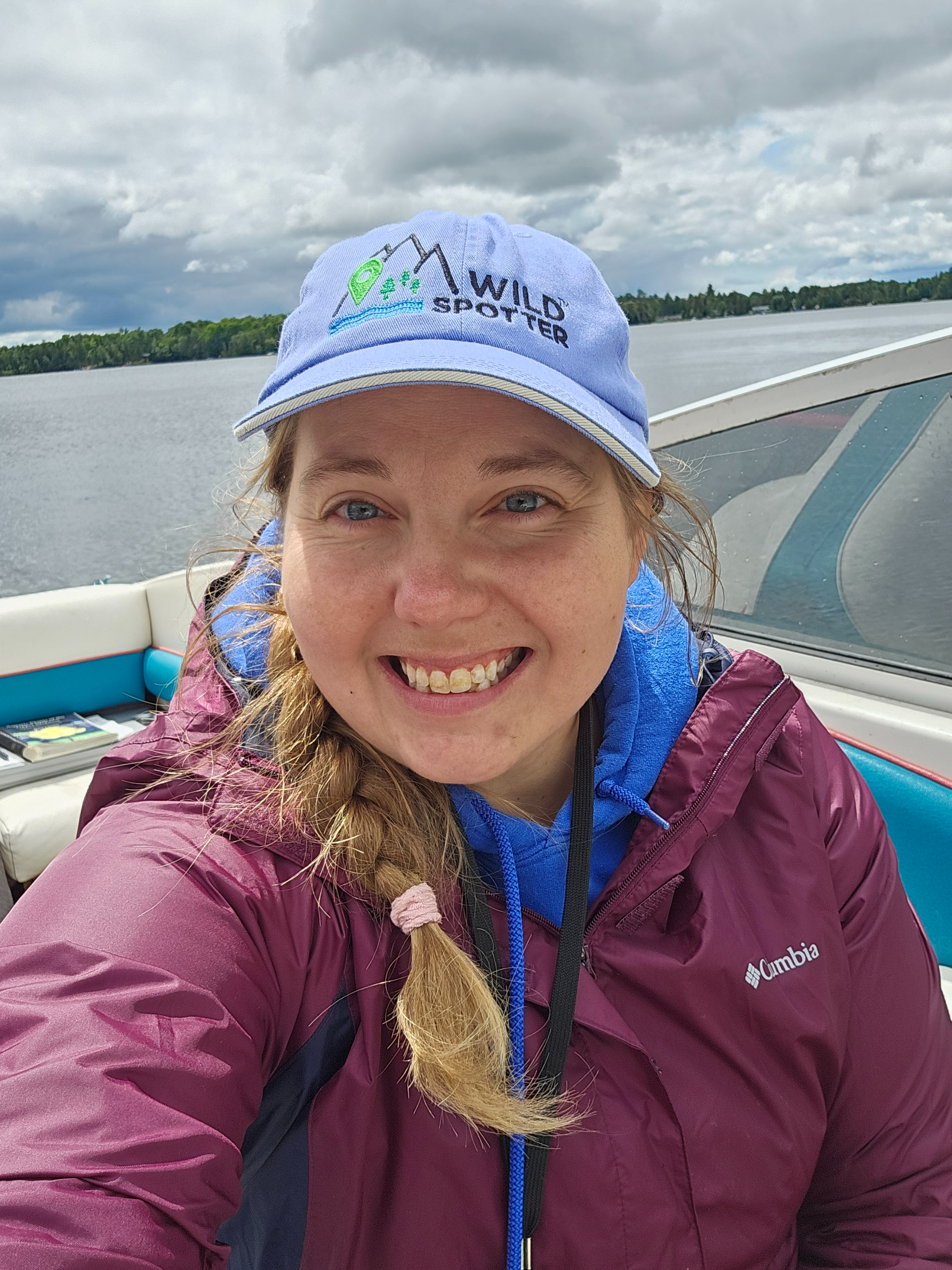
Change often brings a mix of excitement and reflection. For 17 years, Wild Rivers ISC has been dedicated to protecting our lands and waters from the impacts of invasive species. Now, as it evolves into the Roots & Rivers Collaborative, the organization is focusing its mission and expanding capacity to meet new challenges. This transition honors a strong legacy while focusing on proactive habitat conservation and community stewardship.

Honoring a 17-Year Legacy of Stewardship
Wild Rivers ISC began with a clear goal: to protect local ecosystems by managing invasive species and supporting landowners and outdoor enthusiasts. Over nearly two decades, the organization has built a reputation for effective conservation work and community engagement. Its efforts helped slow the spread of invasive plants and animals that threaten native habitats, ensuring healthier ecosystems for future generations.
This legacy is more than just a history of projects. It represents a community of people who care deeply about the land and water. Landowners, invasive species managers, and outdoor recreationists came together under Wild Rivers ISC’s guidance to share knowledge and take action. The organization’s success came from this strong network of stewardship, where everyone played a role in protecting natural resources.
Why Change Now? Expanding Capacity to Meet Growing Needs
The natural world is constantly changing, and so are the challenges it faces. Invasive species remain a serious threat, but new issues like climate change and habitat fragmentation require a broader approach. Roots & Rivers Collaborative was adapted from Wild Rivers ISC to address these complex problems with a more proactive and comprehensive strategy.
This new nonprofit builds on Wild Rivers ISC’s foundation but expands its focus beyond invasive species management. It aims to foster stewardship by empowering communities to care for their lands and waters in a holistic way. This means working not only on controlling invasive species but also on restoring habitats, improving water quality, and supporting sustainable land use.
Roots & Rivers Collaborative recognizes that conservation is not just about reacting to problems but preventing them. By engaging local landowners and outdoor enthusiasts early, the organization hopes to create stronger, more resilient ecosystems. This approach helps protect the natural resources that communities depend on for recreation, agriculture, and quality of life.
Building Empowered Communities for Lasting Conservation
At the heart of Roots & Rivers Collaborative is the belief that people are key to successful conservation. The nonprofit focuses on building partnerships and sharing knowledge to create empowered communities. This means offering training, resources, and support to landowners and invasive species managers of all kinds so they can take effective action.
For example, the organization plans to host workshops on identifying and controlling invasive species, restoring native plants, and monitoring habitat health. These events will bring together experts and volunteers to learn from each other and build local capacity. By fostering stewardship through education and collaboration, Roots & Rivers Collaborative aims to create a lasting impact.
The nonprofit also encourages outdoor recreationists to become active stewards. Hikers, anglers, and paddlers can help by reporting invasive species sightings, participating in habitat restoration projects, spreading awareness, and cleaning their gear. This inclusive approach ensures that everyone who values the land and water can contribute to conservation efforts.

Practical Steps for Local Landowners and Managers
Roots & Rivers Collaborative offers practical tools and guidance for those managing land and water resources. Here are some ways local landowners and invasive species managers can get involved:
Early Detection and Rapid Response: Learn to identify invasive species early and take quick action to control them before they spread.
Habitat Restoration: Promote the use of native plants, improving habitat quality for wildlife and reducing erosion.
Water Quality Protection: Implement best practices to reduce runoff and pollution, protecting streams and rivers.
Community Monitoring: Join citizen science programs to track invasive species and habitat changes over time.
Collaboration: Connect with neighbors, local agencies, and nonprofits to share resources and coordinate conservation efforts.
These steps help build a strong foundation for stewardship and ensure that conservation efforts are effective and sustainable.
Looking Ahead with Roots & Rivers Collaborative
The transition from Wild Rivers ISC to Roots & Rivers Collaborative marks a new chapter in conservation for the region. By expanding its mission and capacity, the nonprofit is better equipped to face current and future challenges. Its focus on proactive habitat conservation and community stewardship reflects a deep commitment to protecting the lands and waters that sustain us all.
This change honors the past while embracing growth. The 17-year legacy of Wild Rivers ISC remains a vital part of the story, inspiring continued dedication to stewardship. Roots & Rivers Collaborative invites everyone who cares about the environment to join in this journey. Together, we can build stronger, healthier ecosystems and ensure that our natural heritage thrives for generations to come.
If you are a landowner, outdoor enthusiast, or invasive species manager, consider reaching out to Roots & Rivers Collaborative. Your involvement can make a real difference in protecting the places we love.
Comments